

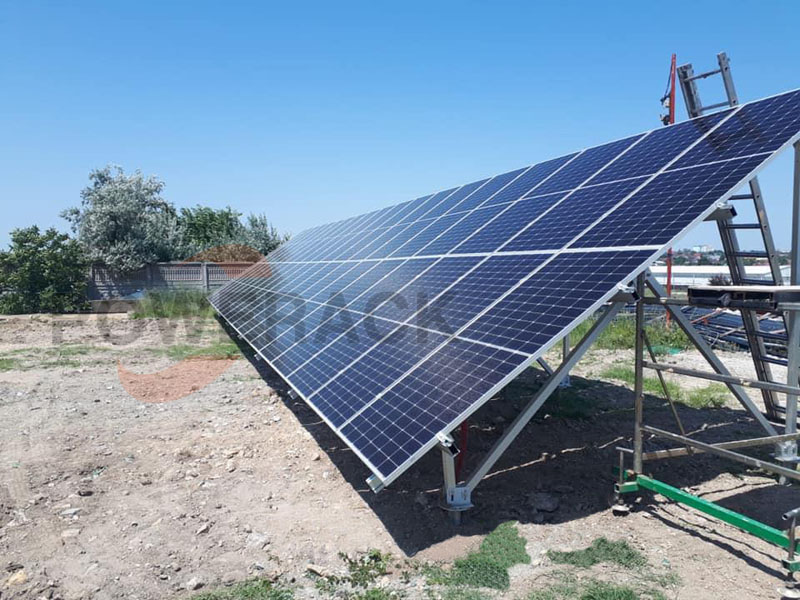
Especificaciones técnicas de verificación
Espesor del material: Placa de acero ≥2 mm, revestimiento galvanizado en caliente ≥60 µm (≥80 µm en zonas costeras)
Capacidad de carga: Los cálculos de carga de viento y nieve se realizarán de acuerdo con el Estándar de diseño de estructuras de montaje fotovoltaico, garantizando que la estructura de montaje mantenga un factor de seguridad ≥1,5 en condiciones climáticas extremas de diseño.
Informes de certificación y pruebas
Proveedores de sistemas de montaje solarDebe proporcionar certificaciones del sistema de calidad como ISO 9001, CE y SGS.
Se deben incluir informes de pruebas o informes de inspección de terceros que demuestren resistencia al viento, la nieve y la corrosión.
Evaluación del costo del ciclo de vida (LCC)
Compare el costo total de la estructura de montaje (incluido el precio de compra, los costos de instalación, los costos de mantenimiento y los gastos de reemplazo previstos) con los ingresos proyectados por generación de energía.
Las estructuras de bajo costo suelen incurrir en mayores gastos a largo plazo por reparaciones y pérdidas por tiempo de inactividad, lo que potencialmente produce un retorno de la inversión general más bajo que soluciones ligeramente más costosas pero confiables.
Seleccione proveedores con una reputación comprobada en la industria.
Consulte los informes de la industria y los registros de evaluación de ofertas, priorizando a las empresas donde la "calidad técnica" supera el factor "precio". Revise las calificaciones crediticias de los proveedores emitidas por agencias de prestigio.
Medidas de construcción e impermeabilización en obra
Al utilizar el método de montaje perforado, se deben utilizar mangas impermeables y sellador para evitar goteras en el techo.
Para soportes lastradosSe debe agregar un anclaje local cuando la capacidad de carga del techo sea insuficiente para evitar la deformación del techo causada por su propio peso.
Plan de mantenimiento posterior a la instalación
Establecer un sistema de inspección regular de la estructura de soporte (cada seis meses), enfocándose en el apriete de los pernos, la integridad del revestimiento galvanizado y la posición de los contrapesos.
Documentar los resultados de la inspección para crear un registro de mantenimiento para reclamos de seguros y futuras mejoras técnicas.
Add : 606, No. 12, Huasheng Road, Huli District, Xiamen,China
WhatsApp : +86153 9592 2968
Correo electrónico : info@powerack.com


 español


