

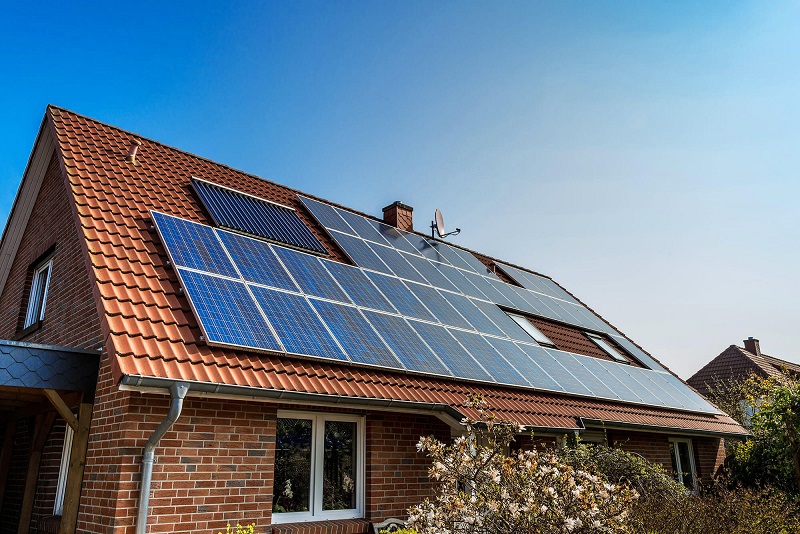
Muchos principiantes están interesados en instalar sistemas de energía solar en sus hogares, pero generalmente desconocen las prácticas de instalación estándar y tienen conocimientos limitados sobre los procesos de construcción y las pautas para la selección de equipos. Además, suelen encontrarse con propuestas de instalación poco razonables por parte de contratistas que no cumplen con la normativa. Este artículo ofrece una visión general sistemática de los procedimientos estándar de instalación solar residencial desde la perspectiva de un profesional del sector, ayudando a los usuarios a evitar errores comunes y riesgos de instalación.
El primer paso en la instalación es siempre una inspección preliminar del techo. Instaladores profesionales visitarán su sitio para medir el área del techo, evaluar la orientación del edificio, evaluar cualquier obstrucción y determinar la capacidad de carga del techo. Generalmente, los techos orientados al sur generan la mayor cantidad de electricidad, seguidos de los techos orientados al este y al oeste. También inspeccionarán el techo en busca de signos de envejecimiento y verificarán si hay tejas sueltas. Durante la fase de inspección, planificarán la disposición de los paneles y ajustarán la inclinación de los mismos. solar soportes de montajepara maximizar la exposición a la luz solar durante todo el año. Muchos contratistas de bajo costo omiten este paso de inspección, lo que puede resultar en una reducción significativa de la generación de energía posteriormente.
Una vez completada la inspección del sitio, es hora de seleccionar las marcas de los equipos; aquí es donde la gente suele tener problemas. Para los paneles solares, opte por marcas de primera línea siempre que sea posible; no se deje tentar por paneles baratos y sin marca. Los paneles de mala calidad se degradan rápidamente y su producción de energía disminuirá significativamente en dos o tres años. Como dispositivo de control principal, elija un inversor de una marca conocida por su alta estabilidad y bajas tasas de fallas. Además, preste mucha atención al material de las estructuras de montaje. Galvanizado en caliente y estructuras de aluminiotienen una vida útil más larga. Nunca utilice estructuras endebles de chapa metálica delgada, ya que son propensas a vibrar y oxidarse con vientos fuertes. El truco más común con los paquetes de bajo costo es este: paneles baratos, de calidad inferior
Una vez seleccionado el equipo, comienza la fase de instalación. El período de instalación típico para un equipo estándar sistema solar residencialEl plazo de instalación es de 3 a 7 días. El procedimiento estándar consiste en fijar primero los soportes de montaje, colocar la capa impermeabilizante, disponer los paneles solares y, finalmente, conectar el cableado y realizar las pruebas del sistema. Durante la instalación, es fundamental asegurarse de que los trabajadores no dañen la capa impermeabilizante del tejado y que cualquier teja rota se reemplace inmediatamente. Es crucial evitar que los trabajadores cubran todo el tejado con paneles; en su lugar, se deben dejar espacios de ventilación. Esto no solo protege el tejado, sino que también reduce la temperatura de funcionamiento de los paneles solares, lo que resulta en una generación de energía más eficiente.
Una vez finalizada la construcción, los siguientes pasos son solicitar la conexión a la red eléctrica y la inspección final. Los errores más comunes para los principiantes son las modificaciones no autorizadas del cableado y el registro incorrecto del sistema. Esto no solo impide la conexión a la red y la venta de electricidad, sino que también supone un riesgo para la seguridad eléctrica. Durante la inspección, el personal se centrará en comprobar la firmeza de los soportes de montaje, la disposición del cableado y el sellado impermeable. Solo después de confirmar que todo está en orden, el sistema fotovoltaico completo se pondrá oficialmente en funcionamiento.
Add : 606, No. 12, Huasheng Road, Huli District, Xiamen,China
WhatsApp : +86153 9592 2968
Correo electrónico : info@powerack.com



 español


